
Essential Information
Editor's Pick 2026Men's Heart Health Nutrition Guide
Comprehensive articles and resources on cardiovascular wellness, nutrition science, and evidence-based lifestyle strategies for optimal heart function.
The information on this site is for educational purposes only and does not constitute medical advice. Always consult a qualified healthcare professional before making health decisions.
Understanding Cardiovascular Wellness
Heart health is a cornerstone of longevity and quality of life for men. This comprehensive guide explores the intersection of nutrition science and cardiovascular function, covering evidence-based dietary approaches, micronutrient optimization, and lifestyle factors that support healthy circulation and heart function.
Our editorial content draws from peer-reviewed research, clinical nutritional science, and practical wellness insights tailored to men's specific health needs. Explore our curated articles to build a deeper understanding of how nutrition fuels cardiovascular resilience.
- • Evidence-based nutritional strategies for heart function
- • Micronutrient science and cardiovascular health
- • Practical dietary patterns for men's wellness
- • Lifestyle integration and long-term sustainability

Browse by Topic
Featured Content Library

Cardiovascular Health
Omega-3 Fatty Acids and Heart Function: A Nutritional Deep Dive
Explore the science behind omega-3 polyunsaturated fats and their role in supporting cardiovascular function. This article examines dietary sources, optimal intake levels, and how these essential fatty acids contribute to healthy circulation and inflammation management.
Read more →
Nutrition Science
Sodium, Potassium, and Magnesium: Electrolyte Balance for Cardiovascular Wellness
Understand the critical role of electrolytes in maintaining healthy cardiovascular function. This comprehensive guide explores sodium moderation, potassium-rich foods, magnesium's role in vascular health, and practical strategies for achieving optimal electrolyte balance.
Read more →
Dietary Patterns
Plant-Based Protein Sources and Cardiovascular Benefits
Discover how legumes, nuts, seeds, and plant proteins support heart health. This article examines the cardiovascular benefits of plant-based protein intake, including effects on cholesterol profiles, inflammation markers, and long-term health outcomes.
Read more →
Micronutrients
Antioxidants, Polyphenols, and Vascular Function
Explore the role of antioxidant compounds in protecting cardiovascular tissue from oxidative stress. Learn about anthocyanins, flavonoids, resveratrol, and other bioactive polyphenols found in berries, dark chocolate, and plant foods that support healthy endothelial function.
Read more →
Lifestyle Integration
Nutrition and Physical Activity: Synergistic Strategies for Heart Health
Understand how nutrition and exercise work together to optimize cardiovascular fitness. This article examines pre- and post-exercise nutrition timing, carbohydrate and protein optimization for exercise recovery, and how dietary patterns enhance aerobic capacity and cardiac function.
Read more →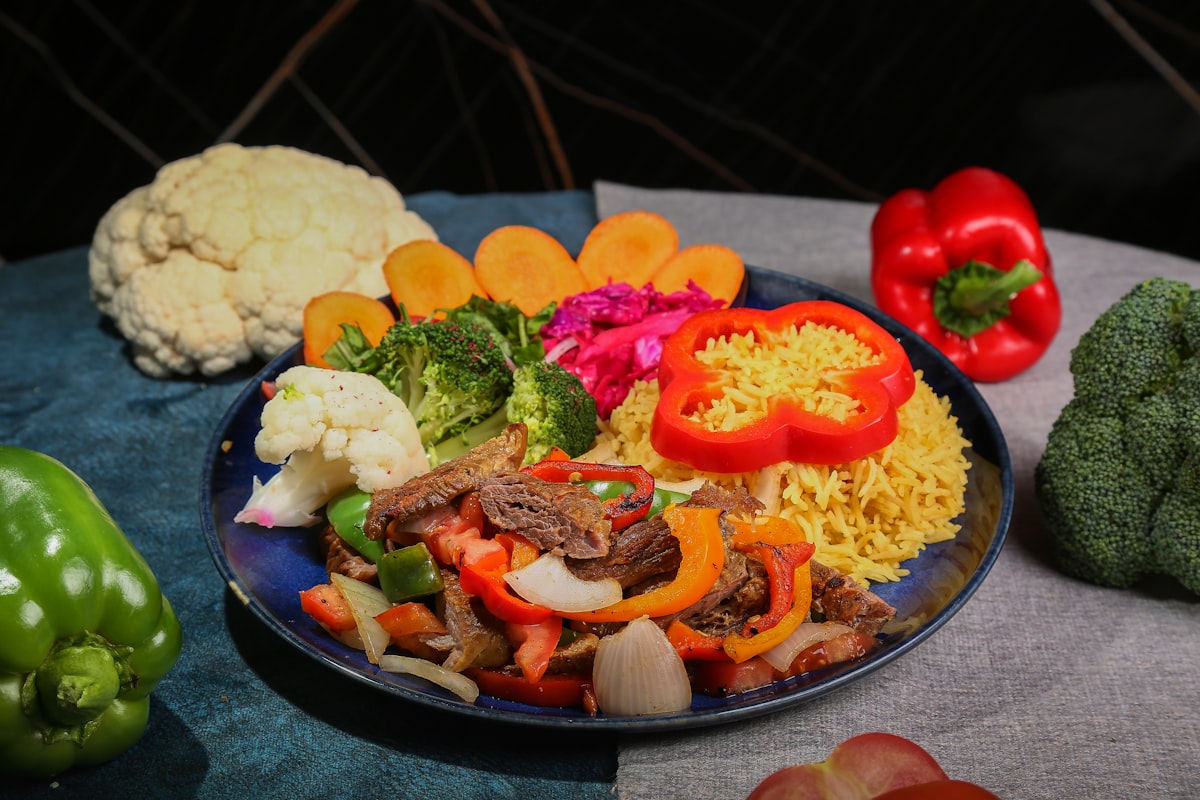
Gender-Specific Health
Men's Nutritional Requirements: Age-Specific Guidelines for Cardiovascular Wellness
Explore how men's nutritional needs evolve across different life stages. This comprehensive guide covers caloric requirements, micronutrient priorities, protein recommendations, and cardiovascular-specific nutrition strategies for men in their 20s through 60s and beyond.
Read more →
Nutrition Science
Dietary Fiber: Soluble and Insoluble Benefits for Lipid Profiles
Discover how dietary fiber contributes to cardiovascular wellness through cholesterol management and metabolic support. This article examines soluble fiber's role in reducing blood lipids, insoluble fiber's benefits for digestive health, and fiber-rich food sources for optimal cardiovascular outcomes.
Read more →
Lifestyle Factors
Hydration Science: Water Intake and Cardiovascular Function
Learn about the critical relationship between adequate hydration and heart health. This article explores how water intake supports optimal blood viscosity, vascular function, nutrient transport, and temperature regulation—all essential for cardiovascular performance and overall wellness.
Read more →
Research Summaries
Sleep Quality and Nutritional Support: Cardiovascular Recovery
Understand how nutrition influences sleep architecture and cardiovascular recovery. This article examines magnesium's role in sleep regulation, melatonin-supporting foods, B-vitamin complexes for nervous system function, and evening meal timing strategies that enhance restorative sleep and heart health.
Read more →
The Science Behind Heart-Healthy Nutrition
Cardiovascular wellness is built on a foundation of evidence-based nutritional science. Our content explores how specific nutrients, dietary patterns, and lifestyle factors influence heart function, circulation, and long-term cardiovascular resilience.
From understanding the biochemistry of cholesterol metabolism to exploring how plant compounds affect vascular health, our articles provide detailed, accessible information grounded in peer-reviewed research. Learn how to translate nutritional science into practical, sustainable dietary choices.
Research-Based Content
All articles synthesize findings from clinical nutrition research, peer-reviewed journals, and epidemiological studies on cardiovascular health.
Practical Implementation
Beyond theory, our guides focus on actionable strategies you can incorporate into daily life for sustainable cardiovascular wellness.
Men's-Specific Focus
Our editorial team emphasizes the unique nutritional and health considerations specific to men at different life stages.
Your Heart Health Learning Journey
Understand the Fundamentals
Start with our foundational articles on cardiovascular anatomy, heart function, and how nutritional factors influence circulatory health. Build your knowledge base with peer-reviewed explanations of key concepts.
Explore Nutrient Science
Dive into detailed explorations of specific nutrients—vitamins, minerals, amino acids, and phytocompounds—that support cardiovascular function. Understand bioavailability, optimal intake levels, and food sources.
Apply Practical Strategies
Read actionable guides on meal planning, food selection, lifestyle integration, and sustainable dietary patterns. Learn how to translate research into real-world nutrition choices for long-term heart health.
Frequently Asked Questions
What dietary patterns are most studied for cardiovascular health?
The Mediterranean diet, DASH diet, and plant-based dietary patterns have the most extensive research supporting cardiovascular benefits. Our articles examine the nutrient profiles, mechanisms of action, and practical implementation of these evidence-based approaches.
How much fiber should men consume daily for cardiovascular health?
Current guidelines recommend 38 grams of fiber daily for men under 50, and 30 grams for men over 50. Our detailed article on dietary fiber explains soluble vs. insoluble fiber, food sources, and gradual intake strategies to support cardiovascular and digestive health.
What is the relationship between sodium intake and cardiovascular function?
Excessive sodium intake is linked to fluid retention and vascular stress. Our comprehensive article on electrolyte balance explores sodium's role, practical reduction strategies, and how potassium and magnesium work synergistically to support healthy cardiovascular function.
Are omega-3 supplements necessary, or can I get enough from food?
Whole food sources like fatty fish, flaxseeds, and walnuts provide omega-3s along with additional nutrients. Our article on omega-3 fatty acids compares food sources, absorption rates, and addresses supplementation based on current research evidence.
How does exercise timing relate to nutritional needs for cardiovascular fitness?
Nutrient timing around exercise influences recovery and cardiovascular adaptation. Our article on nutrition and physical activity synergy explains pre-exercise fuel, post-exercise recovery nutrition, and how dietary patterns enhance aerobic capacity and cardiac function.
Which foods contain the highest levels of heart-protective antioxidants?
Berries, dark chocolate, tea, and colorful vegetables are rich in polyphenols and anthocyanins. Our antioxidants and vascular health article provides specific food lists, bioactive compound concentrations, and how these protective compounds support endothelial function.
Stay Updated with Heart Health Insights
Subscribe to receive updates on new articles, research summaries, and evidence-based nutrition content for men's cardiovascular wellness.
We respect your privacy. Unsubscribe anytime. For content feedback, contact our editorial team.
Ready to Deepen Your Understanding?
Our comprehensive article library provides evidence-based information on heart health nutrition, lifestyle factors, and practical strategies tailored to men's unique wellness needs. Explore research-backed content that empowers informed nutritional choices.
Questions about our content? Contact our editorial team or review our content disclaimer.